
Inflation Is Back at 3.8%
Here's What's Driving It, and What to Do This Week.
Finistack
5/19/20264 min read
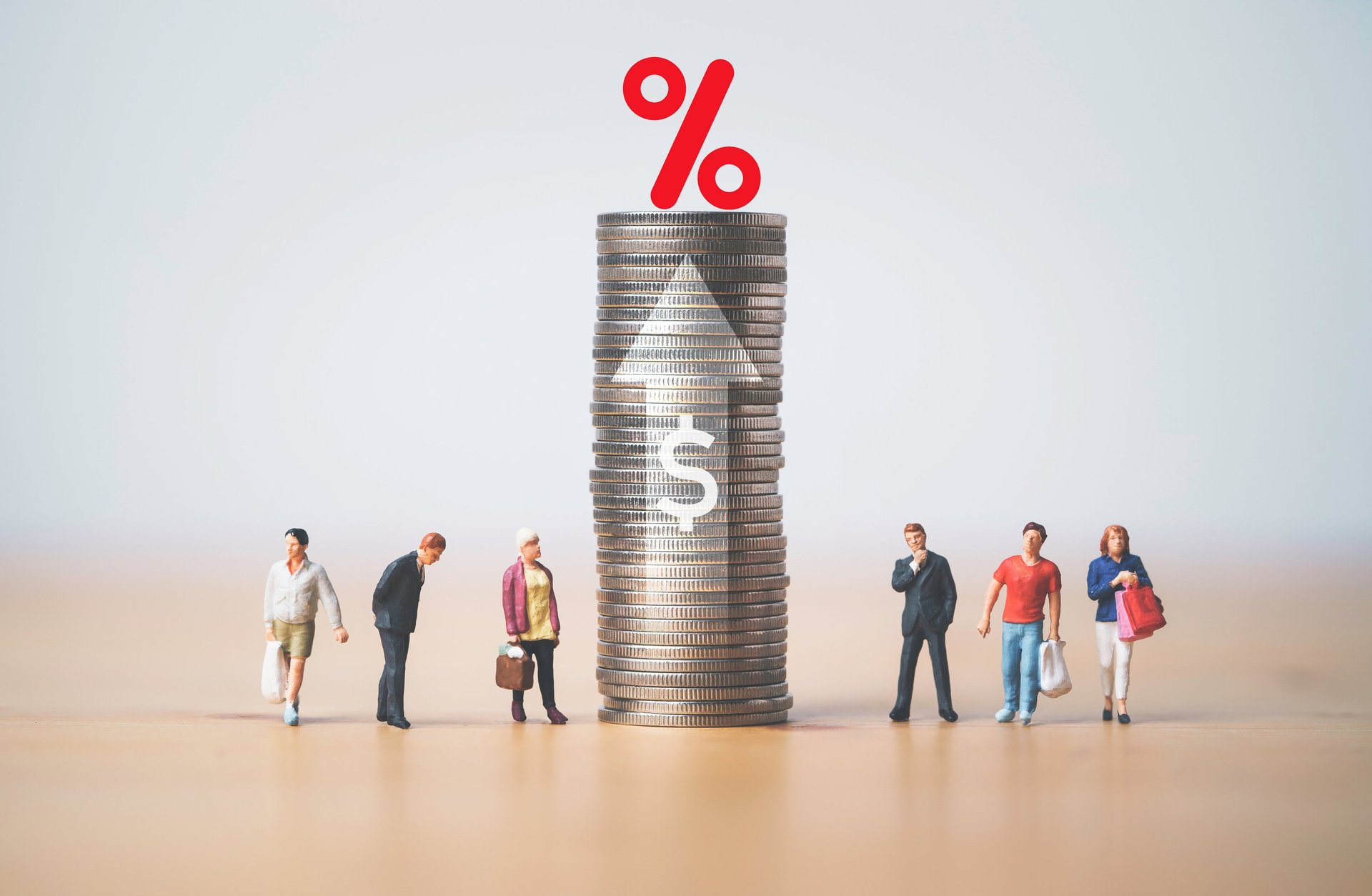
The April inflation numbers just landed, and the headline isn't exactly a comfort: 3.8%. That's the highest annual inflation rate since May 2023, and it almost certainly explains why your grocery receipt has been quietly alarming you lately. Before you do anything drastic, let me break down what's actually behind this number, who it hits hardest, and (most importantly) what you can actually do about it.
That 3.8% Number: What It Actually Means
The Consumer Price Index (CPI) is basically the government's official measure of how much more expensive a fixed basket of everyday goods and services has gotten compared to a year ago. It came in at 3.8% for April, beating economists' forecasts of 3.7% and sitting well above the Federal Reserve's 2% target.
The "core" CPI, which strips out food and energy prices because those swing around a lot, came in at 2.8% annually. That's still above target, which tells us this isn't just a "gas is expensive because of the Middle East" story. Price pressure is broader than that, though energy is absolutely making everything worse.
Gas and Energy: The Comeback Nobody Wanted
If you've been startled at the pump lately, the data backs you up. Gasoline prices jumped 28.4% compared to a year ago. Fuel oil, what many households in the Northeast use for heat, climbed 54.3%. Overall energy costs rose 17.9% year-over-year, the steepest annual increase since September 2022.
The culprit is a mix of geopolitical tension in the Middle East, tight global supply, and the ripple effects that spread everywhere energy prices go. When fuel gets expensive, so does shipping, farming, and manufacturing. Basically anything that moves from point A to point B. Which is most things.
Your Grocery Bill Is Not Making Things Up
Here's what I'd tell a friend who's noticed their grocery trips cost noticeably more than they used to: they're right. Grocery prices (what economists call "food at home") rose 2.9% over the past year. Restaurants are up 3.6%. And since 2020, U.S. grocery prices have climbed nearly one-third in total, a five-year compounding toll that genuinely adds up on a fixed income or a modest paycheck.
More specifically: beef prices are expected to jump 9.4% this year. If you want a glimmer of good news, egg prices dropped 3.3% from February to March. Take the win.
A recent poll found that 76% of Americans point to rising grocery prices as the main reason everyday life feels less affordable right now. And separately, roughly one in three U.S. adults have cut back on essentials like food, utilities, and gas just to cover healthcare expenses. That's not a fringe problem.
Rate Cuts? Not Anytime Soon.
A lot of people have been waiting for the Federal Reserve to cut interest rates, which would lower the cost of mortgages, car loans, and credit card debt. That hope is now on indefinite hold.
Markets are pricing in virtually zero chance of rate cuts through the end of 2027. The 10-year Treasury yield has climbed to 4.46%, near its 2026 high. Adding to the uncertainty: Jerome Powell's term as Fed Chair ended on May 15th, and a new Chair is being selected. With inflation running hot and leadership in transition, some analysts think the next rate move could actually be a hike (not a cut) if inflation crosses 4%.
Bottom line: don't count on borrowing getting cheaper anytime soon.
The Credit Card Situation Is Getting Harder to Ignore
Here's where things get compounding, in the literal sense. Americans are currently carrying $1.23 trillion in credit card debt, a record high. The average interest rate on accounts actively carrying a balance is 21.52%. Worth reading that twice.
At 21%, a $5,000 balance that you're making minimum payments on barely shrinks. It mostly just feeds the interest meter. With rate cuts off the table, this isn't the moment to let high-interest debt quietly snowball.
What You Can Do This Week
You can't control CPI. But there are a few moves that actually shift things in your favor:
· Audit your subscriptions and auto-charges. A lot of services quietly raised their prices in the last year. Comb through your bank statement for recurring charges you're paying on autopilot but barely using. Even cutting two or three adds up fast.
· Call your credit card company and ask for a lower rate. It works more often than people expect, especially if you've been a customer in good standing. A 10-minute call can save you real money.
· Look at 0% APR balance transfer offers. Some cards offer 15 to 21 months of zero interest on transferred balances. That's time where your payments actually reduce principal instead of disappearing into interest. Check the transfer fee (usually 3 to 5%), but it often still beats 21%.
· Track the price of your top 10 grocery staples. You don't need to coupon-clip obsessively. But knowing the usual price of the things you buy every week helps you spot quiet price hikes and decide when it's worth switching stores. Beef, dairy, and packaged goods are moving the most right now.
· Take a look at your energy usage. With energy up nearly 18% year-over-year, small changes (a programmable thermostat, reducing phantom device draw, timing your laundry for off-peak hours) actually add up in a way they didn't when energy was cheap.
Inflation is real and inconvenient, but it's also something you can work around with the right information. I'll keep watching the numbers so you don't have to.
Sources
• Intellectia.ai: US Inflation Report May 2026: CPI Surge to 3.8%: https://intellectia.ai/blog/us-inflation-cpi-report-may-2026
• Experian: The Latest Personal Finance News for May 2026: https://www.experian.com/blogs/ask-experian/latest-personal-finance-news/
• Food Navigator USA: Food Inflation Could Surge Again in 2026: https://www.foodnavigator-usa.com/Article/2026/05/15/food-inflation-could-surge-again-in-2026/
• CS Monitor: Where inflation is felt most: Grocery checkout, not the gas pump: https://www.csmonitor.com/Business/2026/0503/food-prices-rising-affordability-gas-housing
• LendingTree: 2026 Credit Card Debt Statistics: https://www.lendingtree.com/credit-cards/study/credit-card-debt-statistics/
• CBS News: Credit card rates are high, but there are ways to lower yours: https://www.cbsnews.com/news/credit-card-rates-are-high-how-to-lower-yours-february-2026/
• PIIE: The risk of higher US inflation in 2026: https://www.piie.com/blogs/realtime-economics/2026/risk-higher-us-inflation-2026
Disclaimer: This blog may include AI-generated content derived from web crawling, and it features quotes from original-cited inline or public sources. The information presented is for general informational purposes only and may not reflect the most current data or information available. While we strive for accuracy, we encourage readers to verify the information from original sources or reach out to a certified financial adviser for important financial decisions.
Follow Finistack on social media
Have abundant mindset, add value to this beautiful world, and enjoy your life the way you envision.
We move fast, so things aren’t always perfect. Help us level up — Share your feedback.
© 2026 Finistack LLC. All rights reserved.